

Welcome to Kilim Me Rugs, the ultimate destination for kilim rug lovers. Today, we want to take you on a fascinating journey through time, exploring the history of the first known kilim. By learning about these origins, you will be able to further appreciate the beauty and cultural value of these magnificent handcrafted pieces.
What is a Kilim?
Before delving into the history, it is essential to understand what a kilim is. Kilim are hand-woven, hairless rugs, characterized by their geometric patterns and vibrant colors. Originating from the region that today includes Turkey, Iran, the Caucasus and other parts of Central Asia, these rugs not only decorate homes, but also tell ancient stories and traditions.
The First Known Kilim
The first known kilim dates back more than 7,000 years. It was discovered at the archaeological site of Çatalhöyük, in Anatolia, Türkiye. This ancient Neolithic settlement is one of the most important sites for world archaeology, and the remains of what is considered the oldest kilim in history were found there.
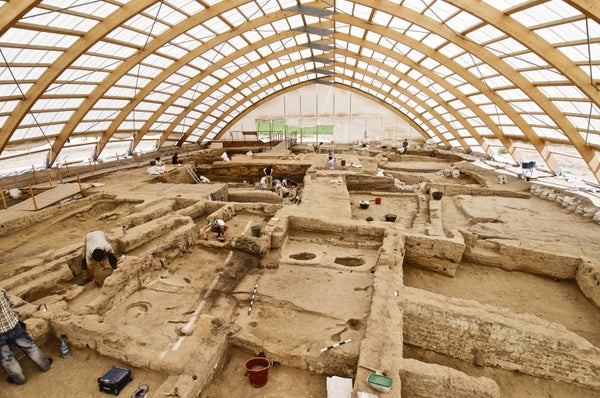
Çatalhöyük and its Textile Treasure
Çatalhöyük was a large settlement that existed between 7500 and 5700 BC. Archaeologists who excavated at this site found fragments of textiles and carpets that reveal the sophisticated weaving technique of its inhabitants. Among these finds, fragments were found that are recognized as the first kilim in the world. These pieces show geometric patterns similar to those still used in the making of modern kilims, evidencing an impressive cultural and technical continuity.
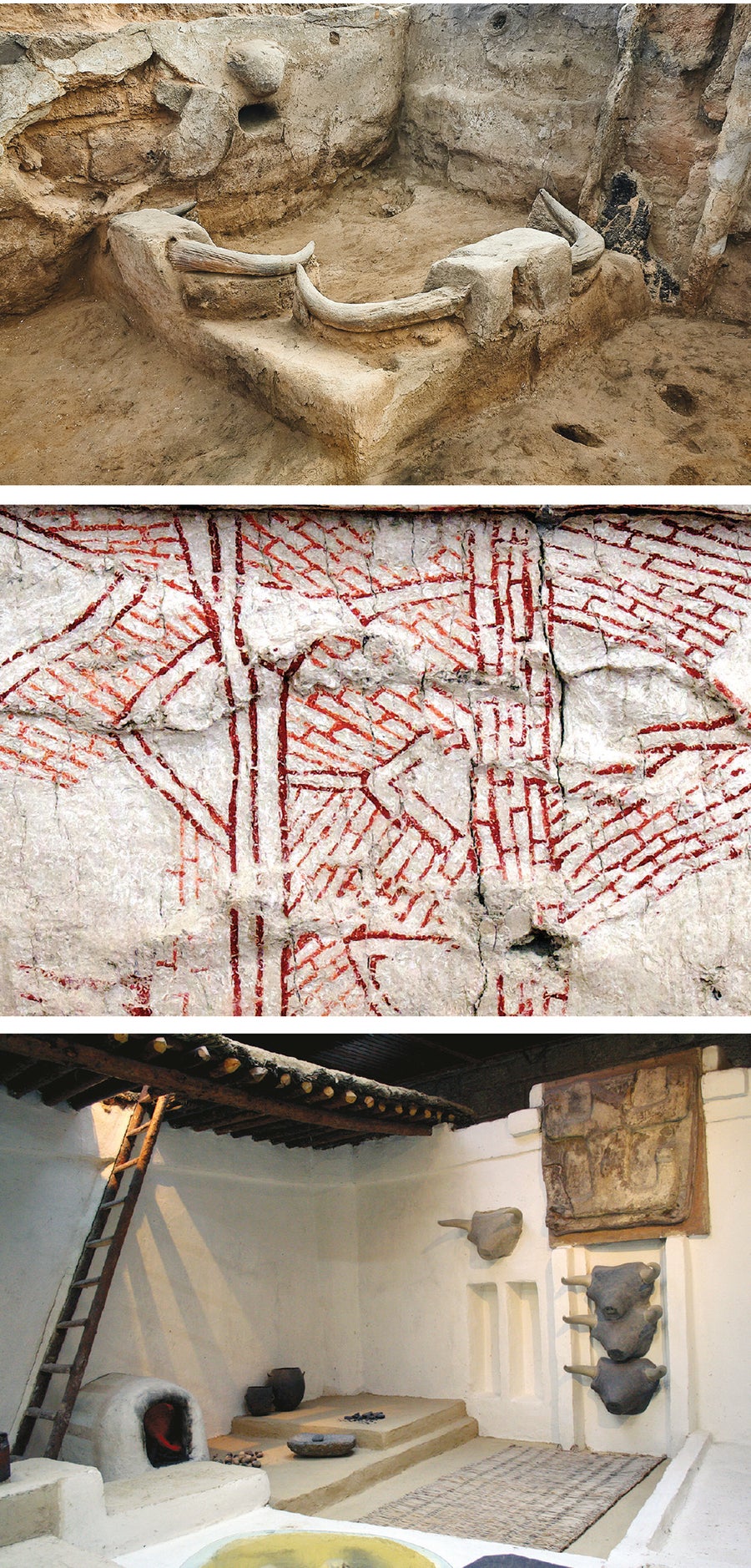
The Evolution of Kilim Through the Centuries
Since the early days in Çatalhöyük, kilims have evolved in design and function. For centuries, these rugs have been an integral part of everyday life in many cultures. Used as tapestries, floor rugs, and furniture covers, kilims have been a symbol of cultural and artistic identity.
Traditional Weaving Techniques
The art of kilim weaving has been passed down from generation to generation. Traditional techniques involve the use of vertical or horizontal looms, and each region has its own distinctive style. The geometric and symbolic patterns that adorn kilims are not only decorative, but also tell stories, represent beliefs and reflect nature.
The Cultural Importance of Kilim
Kilim are not just decorative objects; They are pieces that represent the cultural heritage of many communities. In places like Türkiye, Iran and the Caucasus, kilims are considered invaluable heritage. Each rug is unique and tells a story, whether through its colors, patterns or the context in which it was created.
Conclusion
At Kilim Me Rugs , we are committed to bringing the authenticity and beauty of traditional kilims to your home. By knowing the rich history of the first kilim, we hope that


